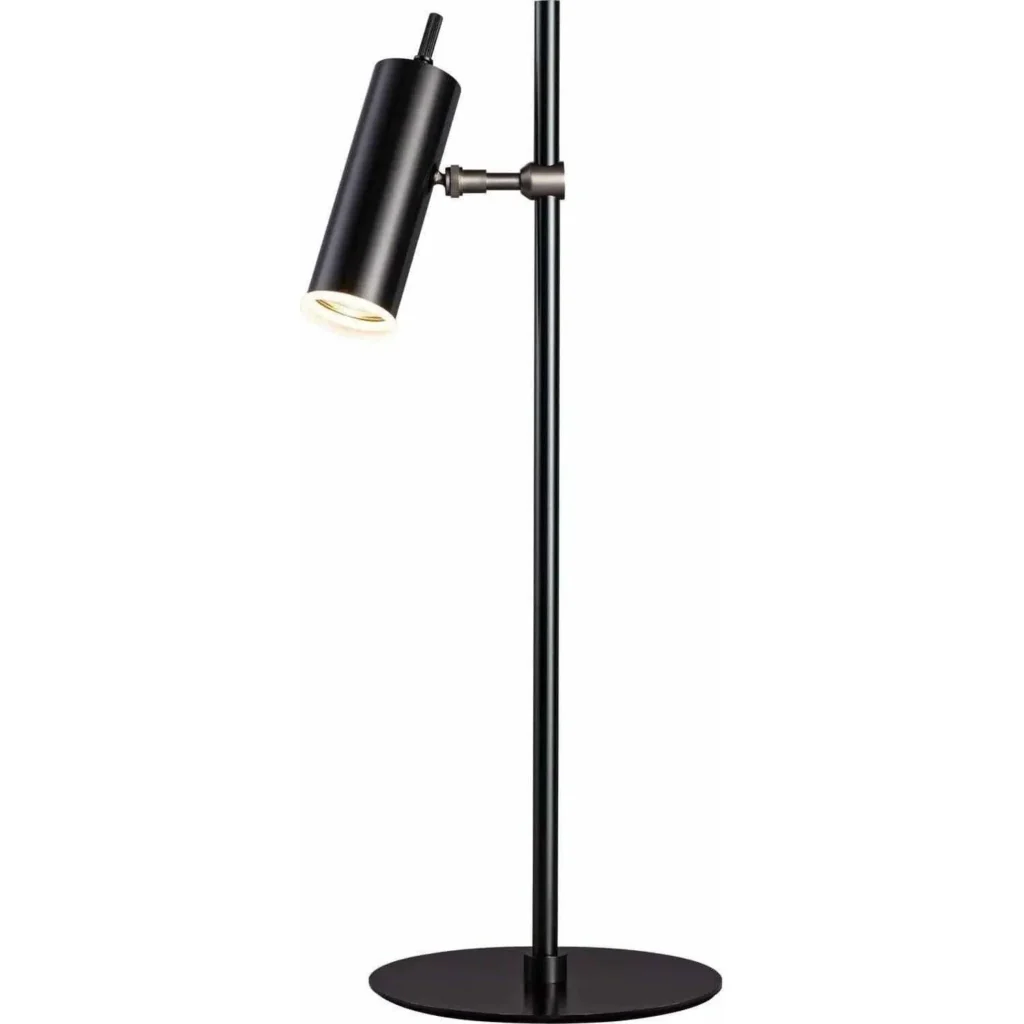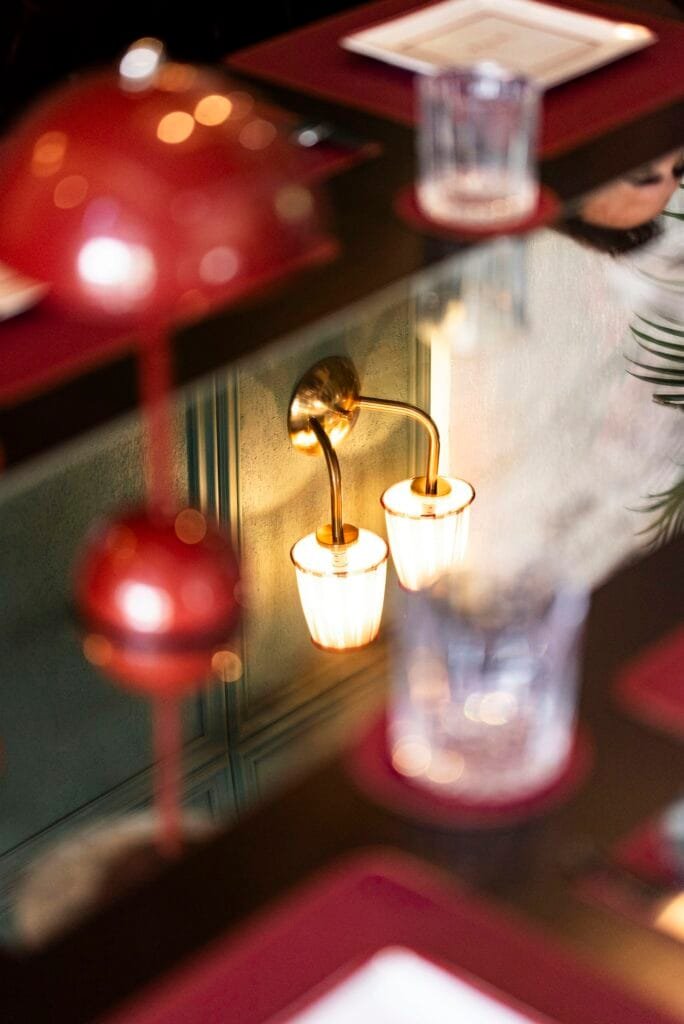
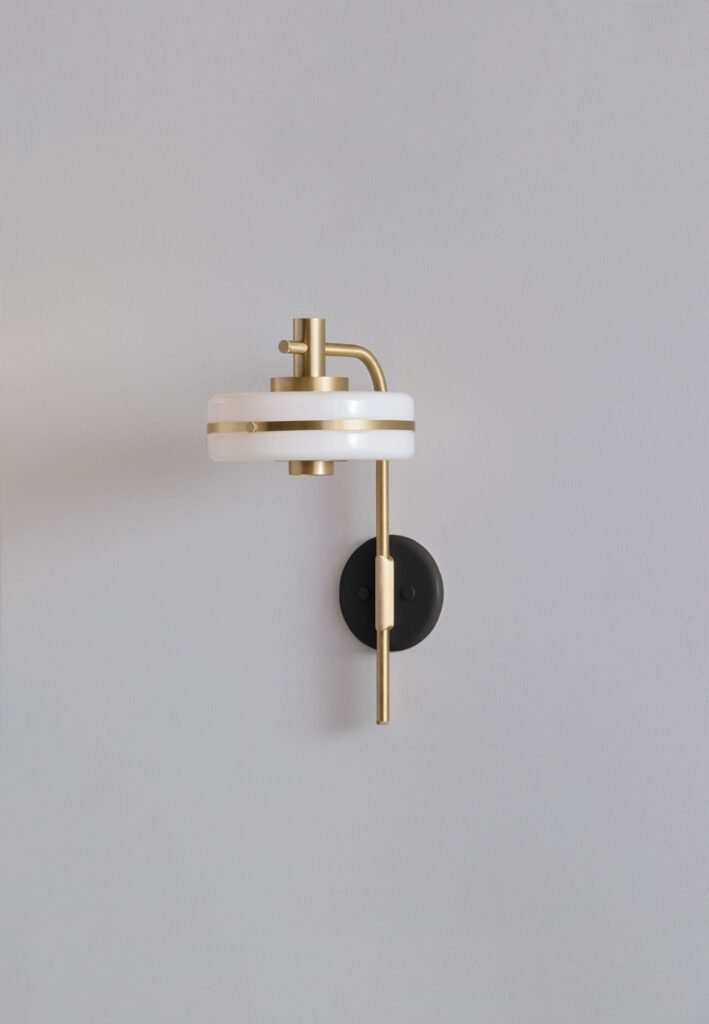
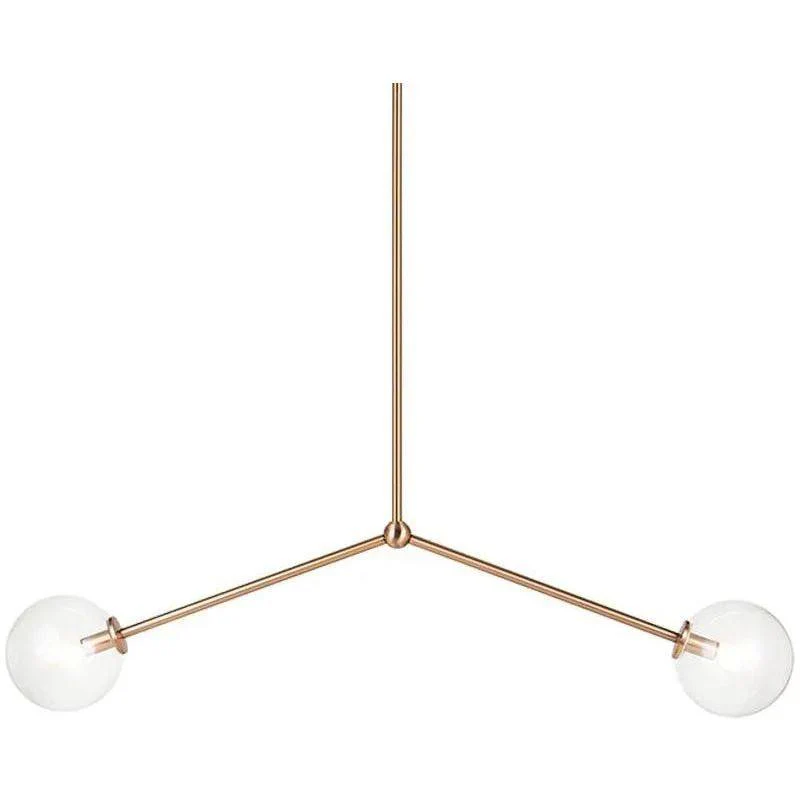
The dining table and the kitchen island are two areas of the home where light needs to be both functional and decorative. At the table you want light that shows the food and the faces around it well without glare; at the kitchen island you need light clear enough for preparing food. Pendants of the right size, hung at the right height, become the focal point of both areas.
Dining table: one chandelier or a row of pendants?
Above round and square tables, a single chandelier hung over the centre gives a balanced look. Above long rectangular tables, either a linear pendant running along the table or two or three pendants evenly spaced spreads the light across the whole table.
- Chandelier diameter: as a practical rule, choose a diameter between one half and two thirds of the table width.
- Clearance from the edges: if the ends of the fixture stay at least 15 cm inside the edge of the table, nobody bumps their head and the light stays over the table.
- Linear pendants: the fixture can be about two thirds of the length of the table.
Hanging height
Above a dining table, the bottom of the chandelier is usually 75–90 cm above the table top. In this range the light is close enough to the table and does not block the view of the person sitting opposite you. In rooms with high ceilings you will need a longer-drop design or to adjust the length of the cable or chain.
Kitchen island: how many pendants, and how far apart?
Kitchen islands usually take two or three pendants in a row. Decide the number of pendants by the length of the island and place them at equal intervals along its centre line. Leaving a gap of at least half of each pendant’s diameter between them gives an orderly, airy look.
- Hanging height: above the island worktop, the bottom of the pendant is about 75–90 cm above the surface.
- Clearance from the ends: keep the first and last pendant at least 15 cm in from the ends of the worktop.
- Light direction: open metal heads focus the light on the worktop; opal glass globes give softer, wider light.
Colour temperature and control
At the dining table, warm white light in the 2700–3000 K range shows food and materials such as wood and brass in their natural colours. At the kitchen island, slightly brighter light can be preferred for preparation. A dimmer in the dining area lets you use the same chandelier at different light levels for everyday meals and evening dinners.
Choosing materials
Because there is steam and grease in the kitchen, easy-to-clean surfaces such as glass and metal are a practical choice. In the dining area, fabric-shade or multi-arm designs create a warmer, more decorative effect. If the dining table and kitchen island share one open space, using different designs in the same material and finish in both areas brings the space together.
Quick measurements
- Height above the table or worktop: about 75–90 cm.
- Single chandelier diameter: between one half and two thirds of the table width.
- Clearance from the edges: at least 15 cm.
- Pendants in a row: evenly spaced, with at least half a diameter between them.
- Light: warm white, with a dimmer if possible.
You can find designs for dining tables and kitchen islands in our chandelier and pendant collection. Send us the size of your table or island and the codes of the products you like, and we will prepare a quote with size and quantity suggestions for designs made in our Istanbul workshop.