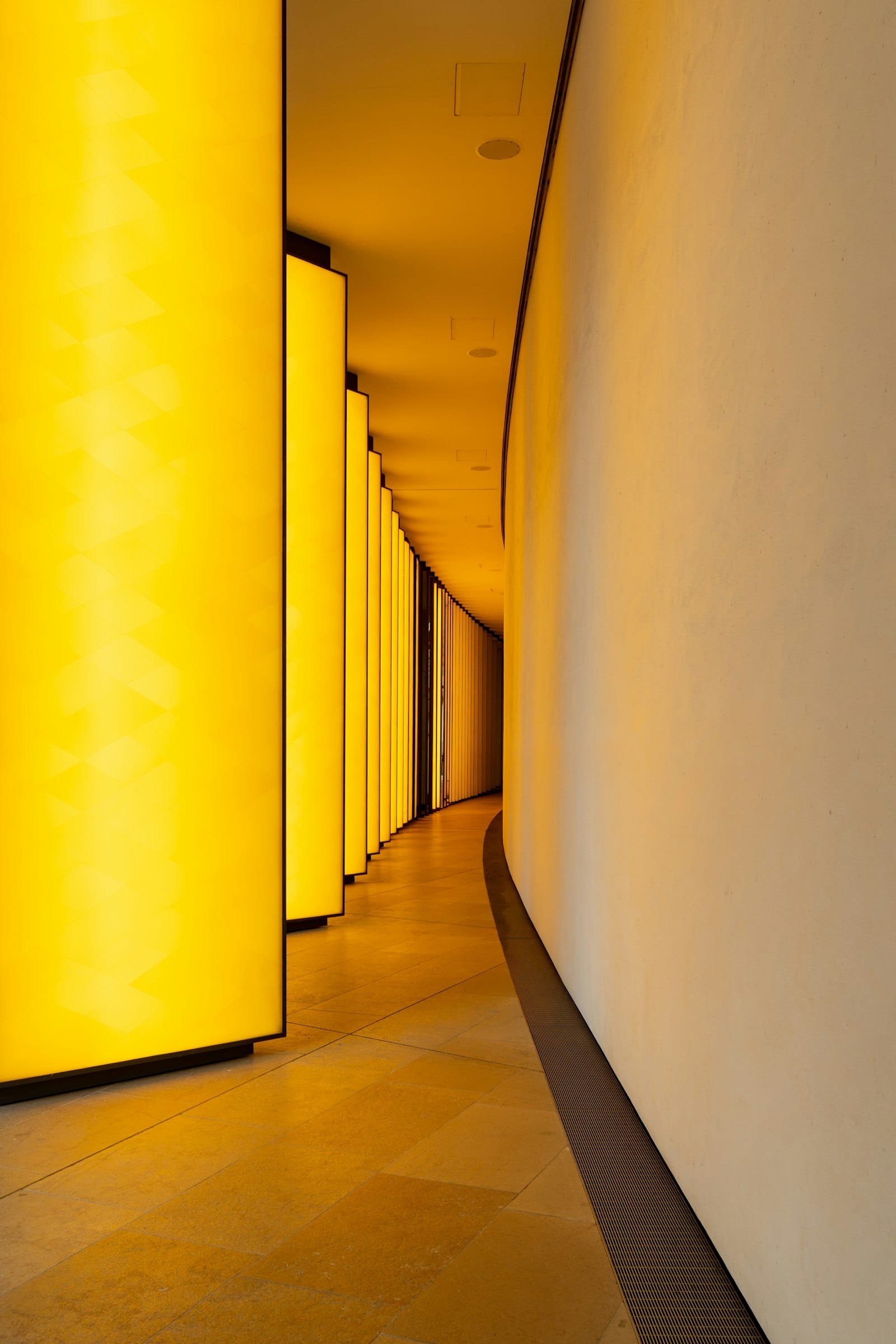
Hallways and staircases are the most used yet most overlooked areas of a home when it comes to lighting. A single ceiling spot or flush light makes these spaces look flat and shadowy; wall sconces both light the way safely and add rhythm and depth to the walls. This guide gives placement and size suggestions for hallway and staircase sconces.
Why wall sconces?
In narrow, long spaces, light from the ceiling falls on the floor and leaves the walls in the dark. Sconces at wall level give light from close to eye level, so the hallway looks wider and the steps of a staircase look clearer. Repeating the same design at regular intervals gives the space an orderly, coherent look.
Mounting height
- In hallways, sconces are usually mounted 150–170 cm above the floor; keeping the light source slightly above eye level prevents glare.
- On staircases, sconces follow the line of the steps; each one is measured from the nosing of the step below it and kept at roughly the same height.
- In hallways with low ceilings, slim designs that throw light up and down make the space look taller than it is.
Spacing between sconces
In a long hallway, placing sconces roughly 2–3 metres apart lets the pools of light meet so that no dark patches remain. Position the first and last sconce half a spacing in from the ends of the hallway. If there are doors, artworks or niches on the wall, adjusting the spacing slightly around them gives a tidy look.
On staircases, at least one sconce per floor or landing, and on long flights about one sconce every 6–8 steps, is a good starting point.
Light direction and choosing a design
- Up-and-down sconces wash the wall from top to bottom and make the hallway look wider.
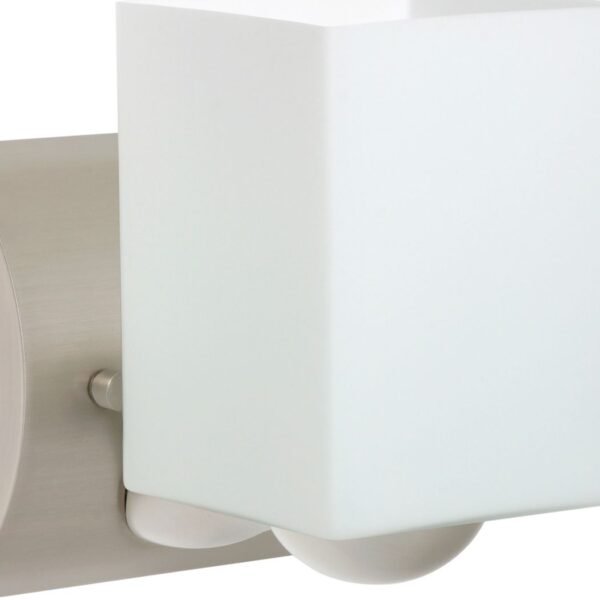
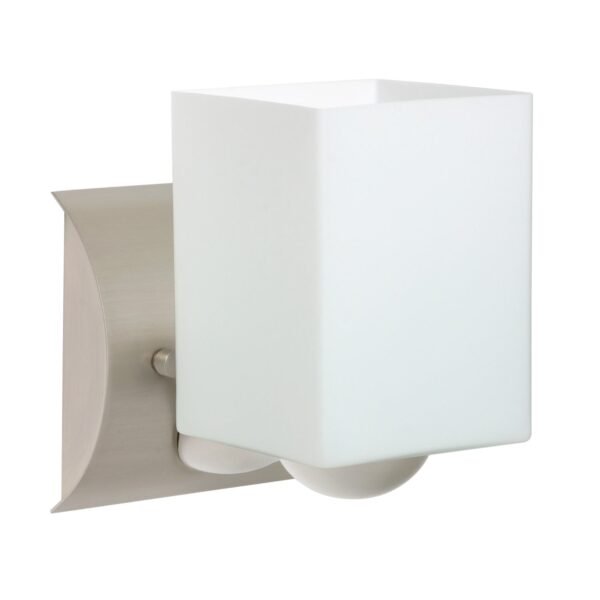
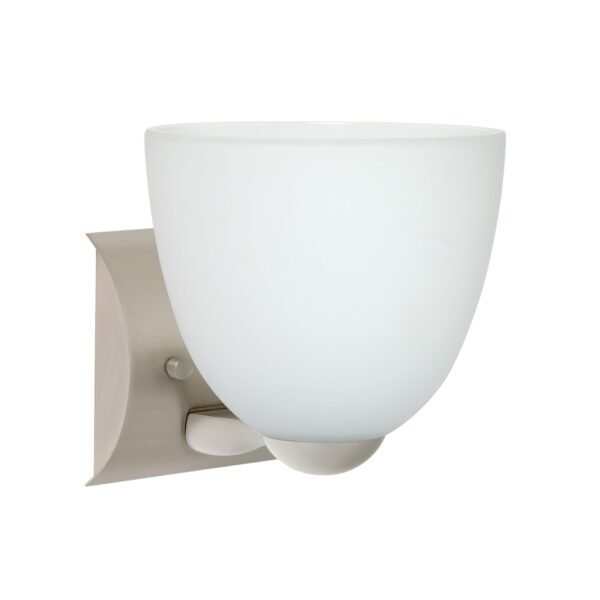
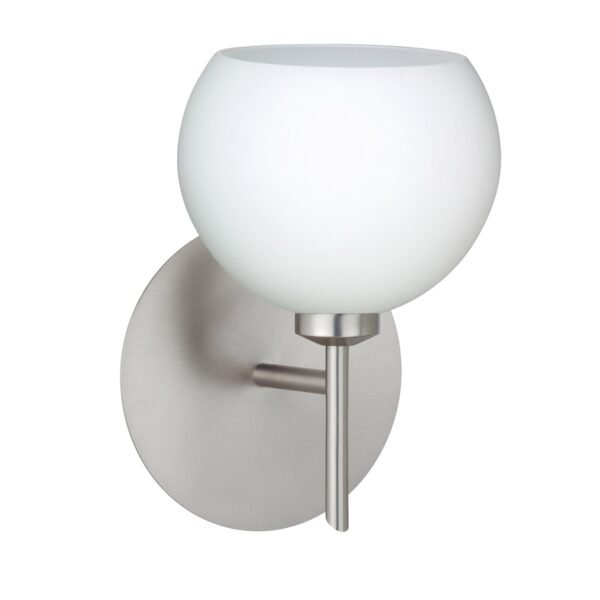
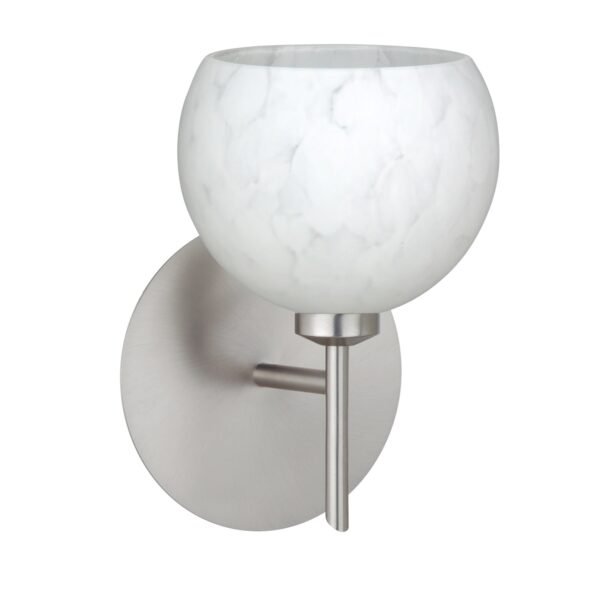
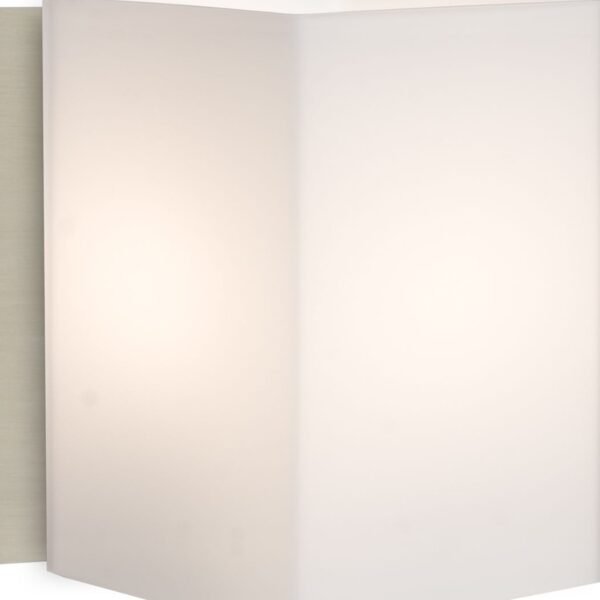
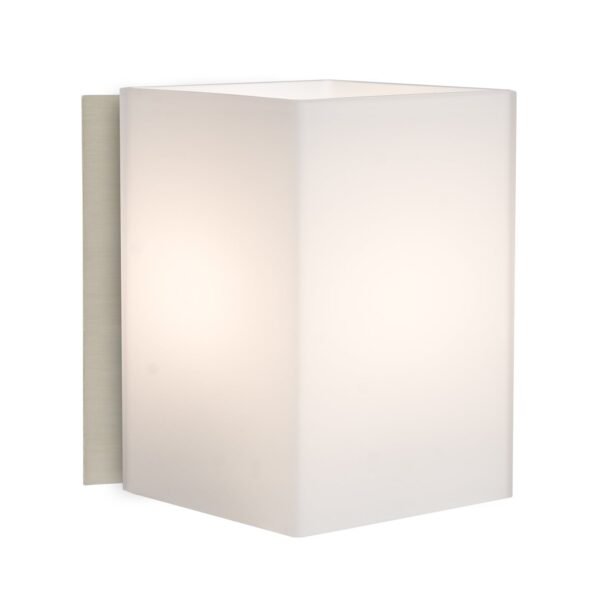
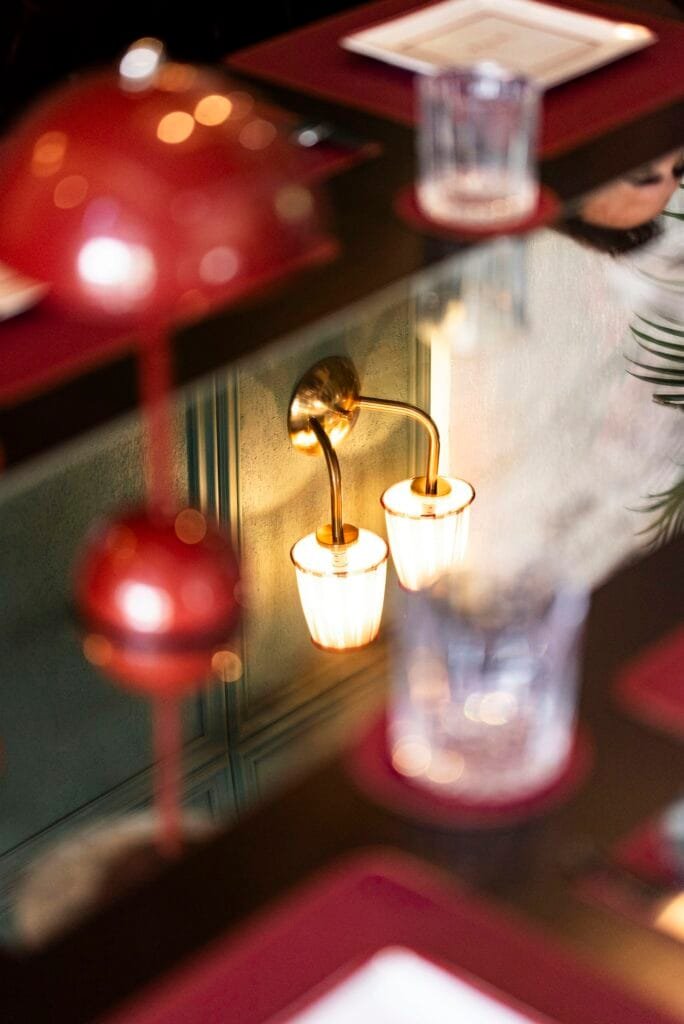
- Opal glass globe or cylinder designs give soft light evenly in every direction and do not cause glare in narrow hallways.
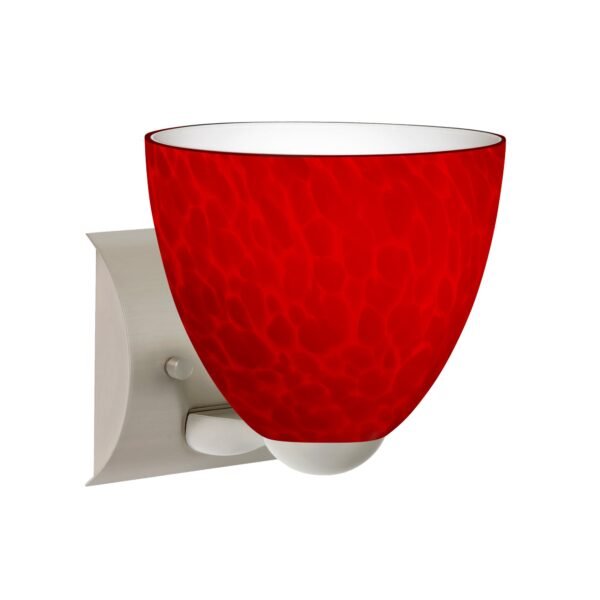
- Fabric-shade sconces create a warmer, more residential atmosphere.
- In narrow hallways, choose shallow designs that do not project far from the wall; they reduce the risk of bumping into them.
Colour temperature and control
Warm white light in the 2700–3000 K range makes the transition between rooms in hallways and on stairs soft and consistent. Two-way switches at the bottom and top of the staircase, or a motion-sensor circuit, make night-time use easier. OZENDECO wall sconces are shipped without bulbs and are compatible with 110–220 V mains, so you can choose the bulb for the colour temperature you prefer.
In short
- Height: in hallways, about 150–170 cm above the floor.
- Spacing: 2–3 metres in hallways; one every 6–8 steps on stairs.
- Design: shallow, soft-light sconces in narrow spaces.
- Light: warm white, ideally with two-way switches or a sensor.
You can find designs for hallways and staircases in our wall sconce collection. Send us the length of your hallway and the codes of the products you like, and we will prepare a quote with quantity and placement suggestions.