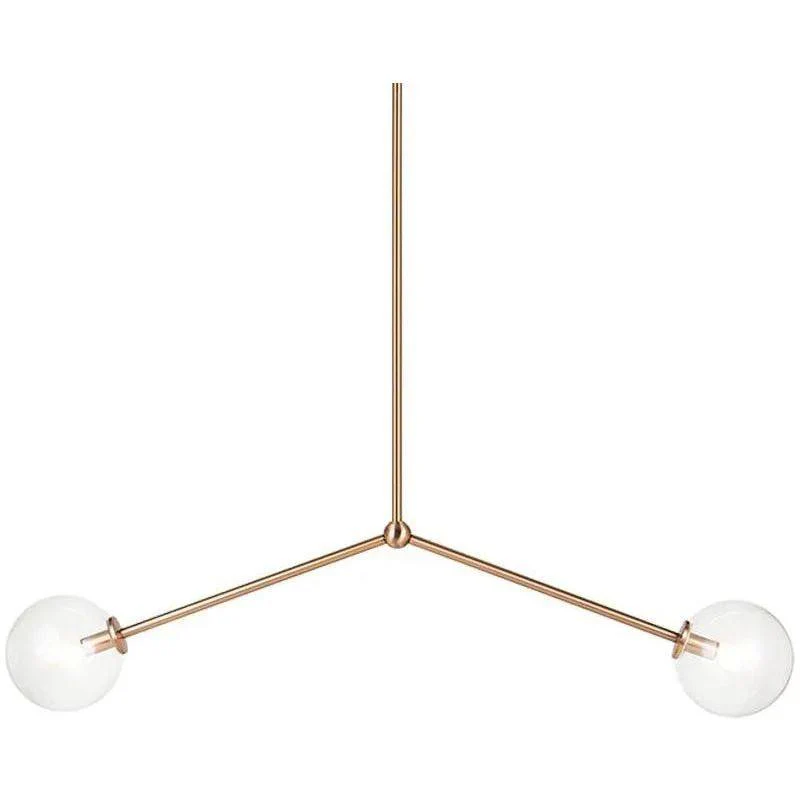
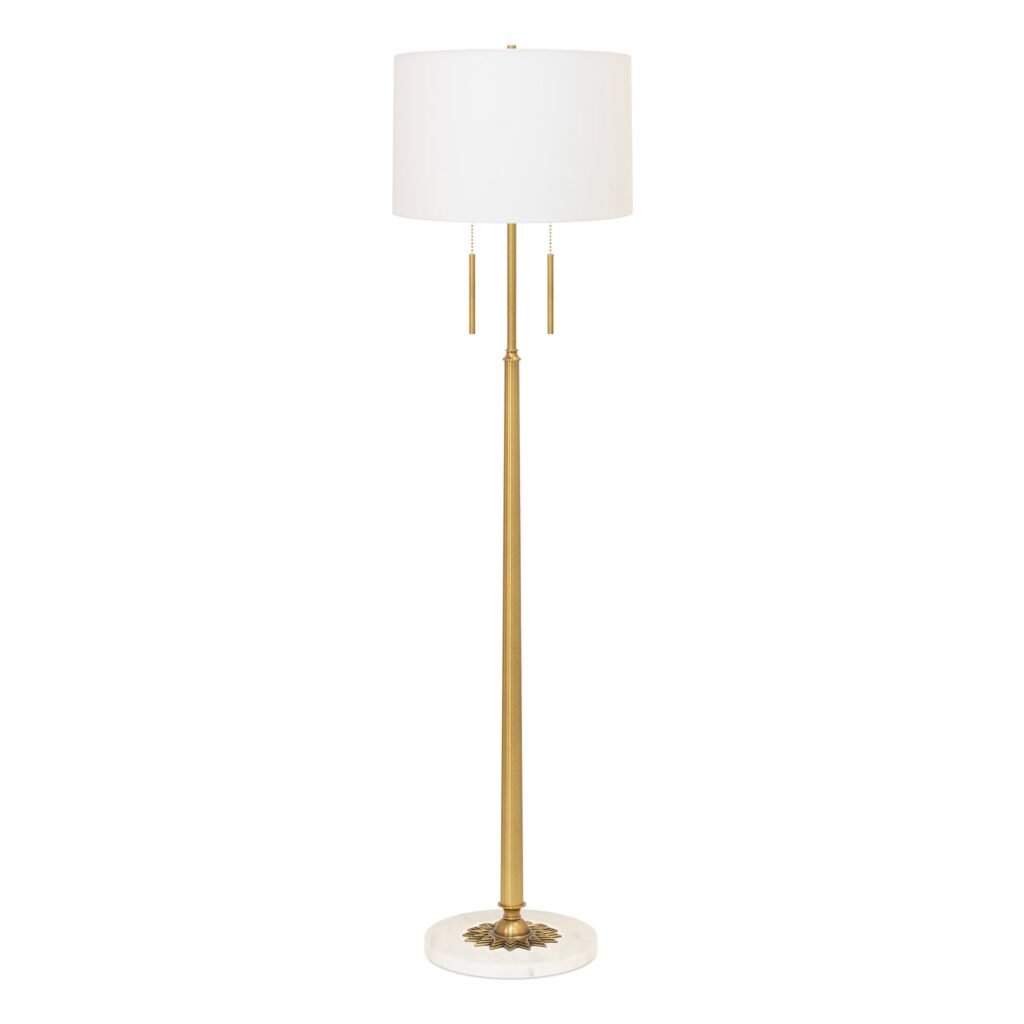
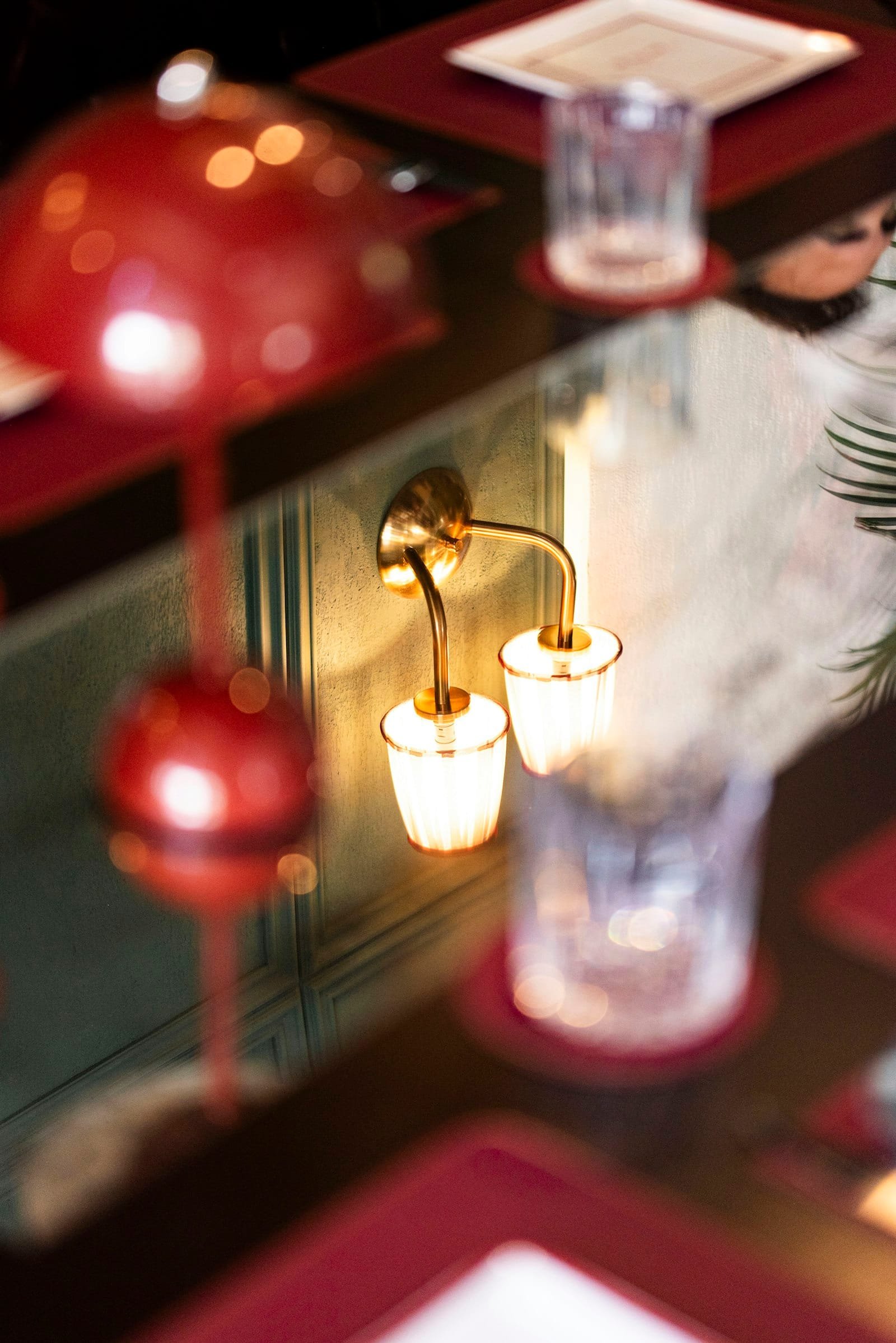
Brass is one of the most popular metals in lighting: its warm tone softens the light, and the patina it develops over time gives each piece its own character. With the right care, a brass chandelier, wall sconce or floor lamp keeps its quality for many years. This guide offers practical advice, from everyday cleaning to choosing whether to keep the patina.
What is patina?
Patina is the natural, darker layer that forms on the surface of brass as it comes into contact with air. The bright golden colour gradually turns into a more matte, warm and antique tone. Patina is not a flaw but the natural ageing of brass, and many people prefer this aged look. Decide how you care for the piece based on whether you want to keep the patina or maintain a bright finish.
Everyday cleaning
- Before cleaning, switch off the power to the fixture and let the bulbs cool down.
- Remove dust with a soft, dry, lint-free cloth (for example microfibre).
- If needed, dampen the cloth lightly with lukewarm water, then dry the surface straight away with a dry cloth; do not leave it wet, so no water marks remain.
- Clean glass, fabric or marble parts separately, in a way that suits each material.
What to avoid
- Abrasive sponges, steel wool and cream cleaners scratch the surface.
- Ammonia, bleach or acidic general-purpose cleaners can stain brass.
- On lacquered or varnished surfaces, polish can damage the protective layer; if you are not sure about the finish, test on a small hidden area first or ask us.
If you want to keep a bright finish
If you do not want the patina and prefer to keep the bright golden tone, you can apply a brass-specific metal polish in a thin layer with a soft cloth, following the manufacturer’s instructions, and wipe it off with a dry cloth. There is no need to do this often; doing it when the finish starts to look dull is enough. While polishing, make sure no liquid touches the cable, lamp holder or electrical connections.
If you want to keep the patina
If you love the antique, matte look, dusting with a dry cloth is all you need. Do not use polish; the natural tones that form over time deepen the character of the piece. It is normal for patina to develop at different speeds in different areas; surfaces that are touched often usually stay brighter.
Brass outdoors
Brass and metal fixtures outdoors develop patina faster with rain, humidity and sun. Removing dust and dirt with a soft cloth at regular intervals helps the surface last longer, especially in salty seaside air.
You can browse all our brass and metal designs made in our Istanbul workshop in our indoor lighting collection. If you have a question about the finish or care of a product, send us its product code.