The shade largely decides the light a lamp gives. The same bulb gives warm, soft light inside a fabric shade, even and diffused light inside opal glass, and gathered, directional light under a metal head. The short answer: choose fabric or linen for ambient light, opal glass for even, soft light, and a metal head for focused light.
Fabric and linen shades
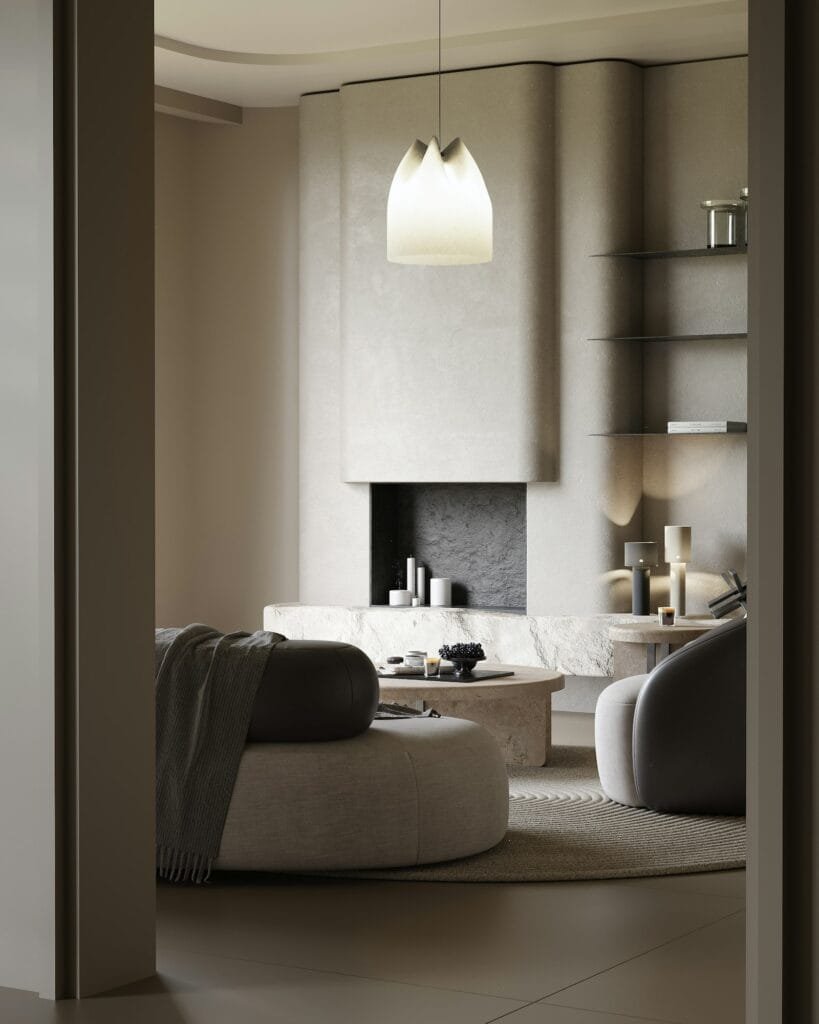
Fabric and linen filter the light, giving a room soft, warm ambient light. Thanks to its texture, linen adds a natural look to the light. Light-coloured fabrics let more light through, while dark fabrics direct light up and down. This is the most popular choice for bedsides, consoles and seating areas.
Opal glass
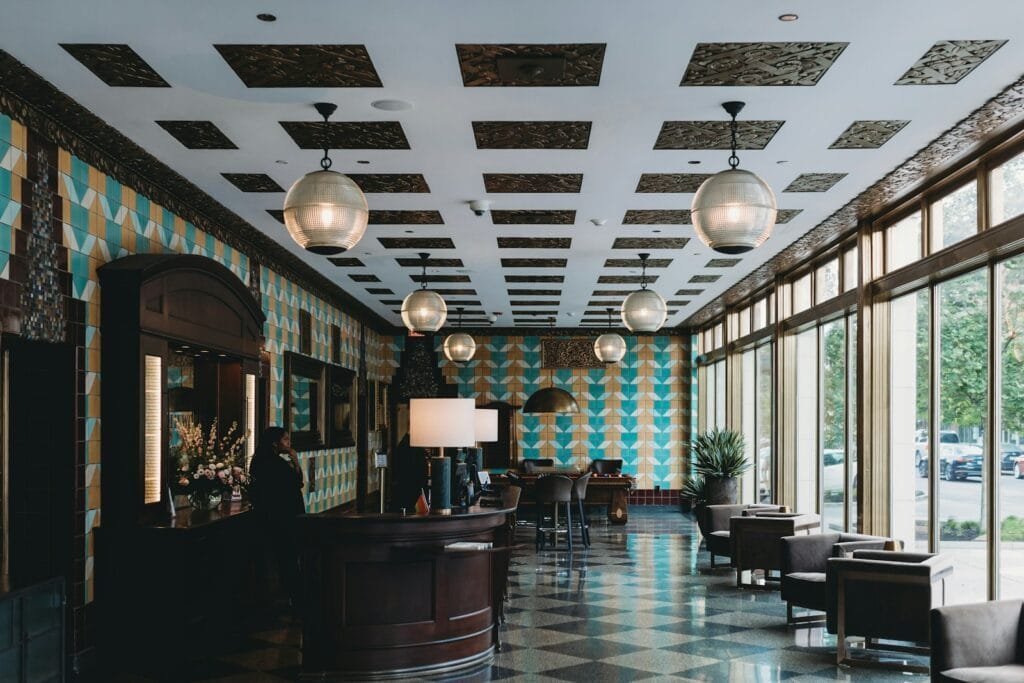
Opal (milk white) glass spreads light evenly in every direction without glare. It is used in globe and cylinder forms and suits places where soft light is wanted, such as bathrooms, corridors and bedsides.
Clear and frosted glass
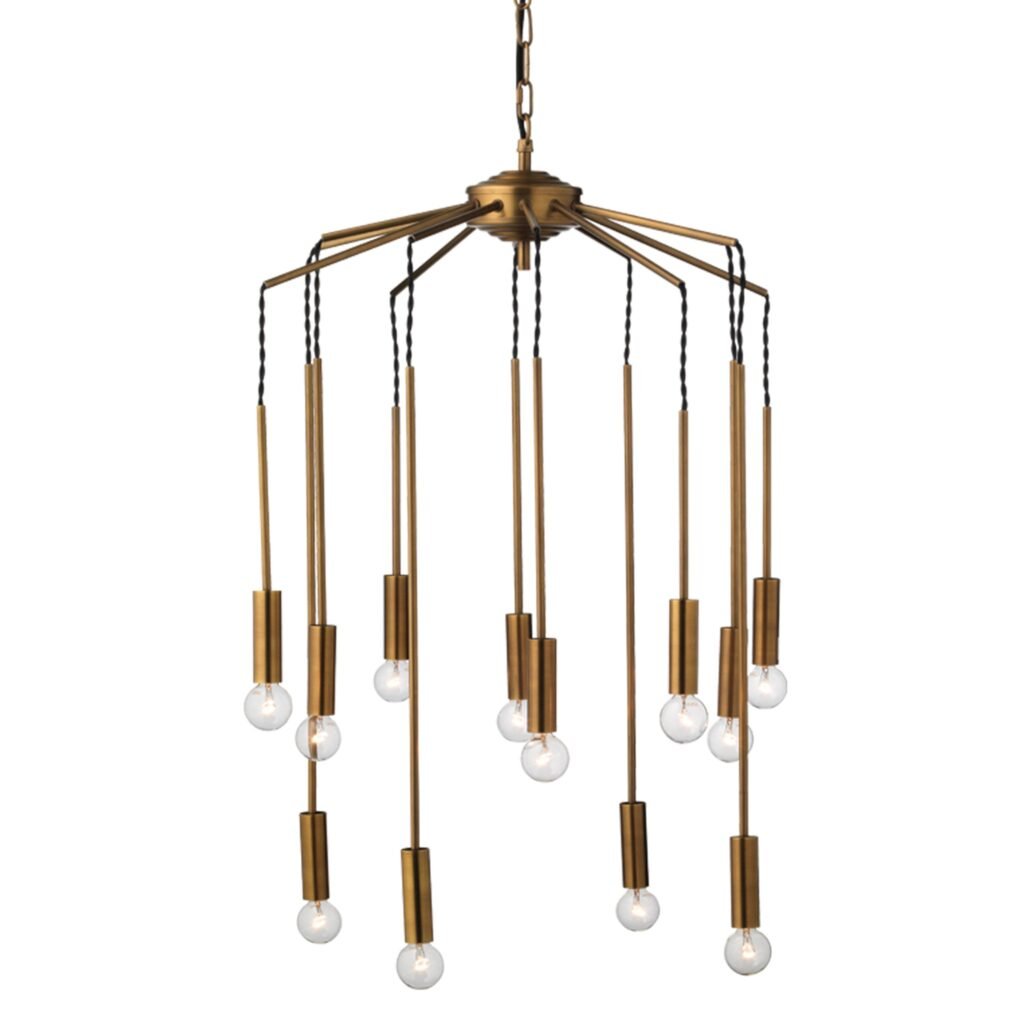
Clear glass leaves the bulb visible and gives bright, crisp light with decorative bulbs. Frosted glass gives a softness similar to opal glass.
Metal heads
Metal heads do not let light through; they gather it in one direction. They are used where focused light is needed, such as for reading, work and kitchen counters. Heads with a white or gold-toned inner surface reflect light and increase efficiency.
Shape and size
- A cylinder (drum) shade gives light equally up and down.
- Conical and empire shades direct more light downward.
- On a floor lamp, if the bottom of the shade is roughly at shoulder height when you are seated, light reaches the page without shadows.
- For a bedside lamp, a good guide is for the bottom of the shade to sit roughly at chin height when you sit up in bed.
Browse our table lamps, floor lamps and wall sconces. For floor lamps, also see our floor lamp guide.